
We Don’t Make Dentists Experts in Teeth. We Make Them Experts in Their Patient.
Longevity Lab Basel
Detecting the hidden signal is half the work.
The other half is knowing what to do when the diagnosis is already there.
A practitioner-focused platform where physicians and dentists translate systemic science into daily clinical action.
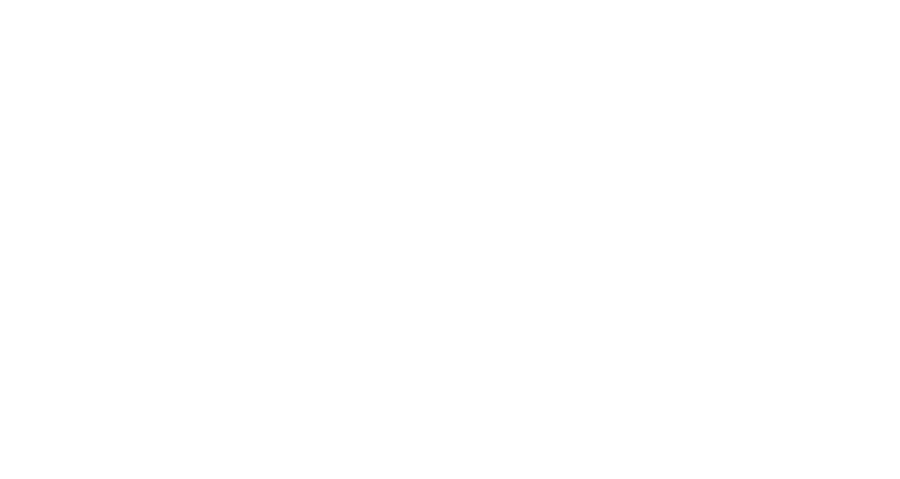
“Excellence in dentistry, today, means being an expert in people — not only in teeth.”
Dr. Eric Nakamura, Co-Founder LLB. Researcher, Surgeon, Physician
Who we are
Clinicians and Scientists First
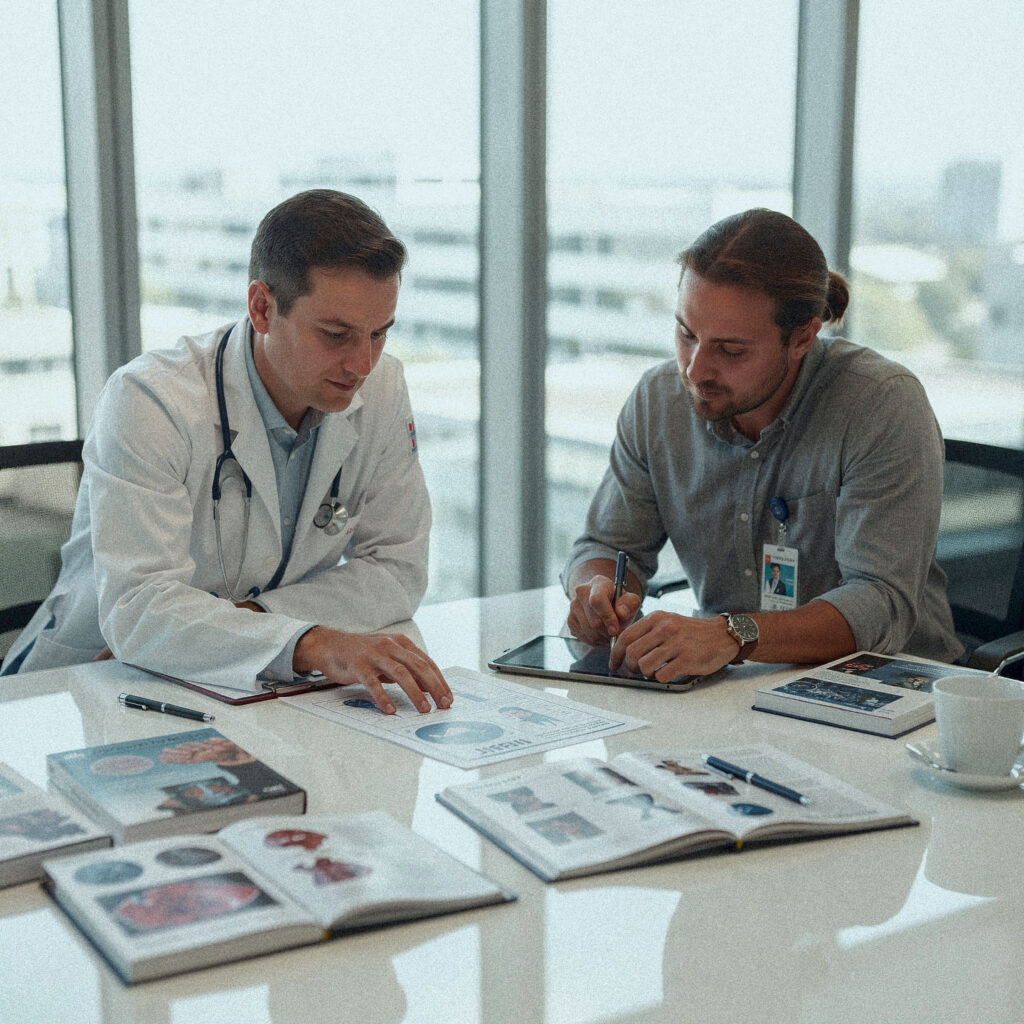
We are a group of physicians and dentists — clinicians and scientists first. Our premise is straightforward: growing evidence suggests the mouth is one of the earliest and most accessible indicators of systemic health.
The dentist who learns to interpret it delivers better dentistry — not by treating more, but by understanding more. Our work is grounded in current biomedical evidence and reviewed by practitioners who teach what they practice.
Our values
The Principles That Guide Our Practice
Grounded in science
Every protocol traces back to peer-reviewed evidence. We teach what can be defended — not what is in fashion.
The individual
There are no shelf protocols. Each patient is assessed as a distinct biological system with a unique clinical context.
An exclusive network
A closed circle of practitioners who bring real cases to the table and discuss them with peers who understand the biology underneath.
Interdisciplinary by design
We respect the line between professions. The dentist’s role is to recognize, refer, and collaborate — not to practice medicine.
What we do
Translating Science Into Clinical Action
We translate the science linking oral and systemic health into knowledge dentists can apply on Monday morning. Our work runs through real clinical cases — not abstractions.
A patient presents with dry mouth and recurrent caries. The reflexive reading is poor hygiene. The trained reading looks further — at salivary function, possible autoimmune or metabolic causes, and what the pattern reveals about the system as a whole.

Detecting the hidden signal is half the work. The other half is knowing what to do when the diagnosis is already there.
A diabetic. A patient on antidepressants. Someone mid-chemotherapy, or in the third trimester. The procedure may look identical — but the biology underneath it isn’t, and treating them all the same is how good dentistry quietly fails.
Personalized care means the diagnosis reshapes the plan:
- The prescription — what’s safe, what interacts, what the medication is already doing to the mouth.
- The timing and the technique — adapted to healing, bleeding risk, salivary function, infection risk.
- The priorities — what to treat now, what to stabilize, what to coordinate with the physician first.
This isn’t practicing medicine. It’s practicing dentistry that finally accounts for the whole patient — the difference between a protocol off the shelf and a plan built for the person in front of you.
The method
Recognize. Understand. Act.
-
Recognize the signal
Chronic inflammation, metabolic disease and microbial imbalance all leave traces in the oral cavity. The first skill is seeing them for what they are.
-
Understand the mechanism
A finding only becomes useful when you know the biology driving it — what the system is doing, and why it surfaces here.
-
Act and refer
Adapt the treatment plan to the patient in front of you, and hand the finding to the physician as an informed peer would.
This shift in reasoning — from isolated symptom to systemic signal — is the foundation of everything we teach. The result is a dentist who treats the condition in context, not in isolation.
How we do it
Rigorous Science. No Trends.
Every case and protocol is built on peer-reviewed evidence, developed by a team of practicing physicians and dentists. We are not a wellness platform. We do not trade in trends. Our aim is precise: to sharpen clinical reasoning so that what a dentist notices — and acts on — reflects the current state of the science.
Clinical reasoning
We train dentists to think in systems — recognizing patterns that point beyond the oral cavity.
Interdisciplinary collaboration
We equip clinicians to communicate findings to physicians as informed, confident peers.
Patient-centered practice
Each patient is assessed as a distinct biological system — no generic protocols, no shortcuts.

Where we work
Evidence Has an Address
Basel sits where Switzerland meets Germany and France — a small city that has taken medicine seriously for a very long time. Its university, founded in 1460, is the oldest in the country, and its laboratories have made the region one of Europe’s densest concentrations of life-science research.
That setting shapes how we work. Swiss clinical practice rests on standards that are documented, auditable, and slow to move without evidence — the opposite of a trend cycle. We hold ourselves to the same bar: every protocol traceable to peer-reviewed work, every claim defensible to a physician who asks.
We are independent of any university, hospital, or manufacturer. Basel is where we are based and the standard we work to — not a badge we borrow.
Ready to Practice Dentistry Differently?
Be the first to know more and understand how this program can transform your work.
Membership
Join the network
SpONSORS